Posted on
More from News


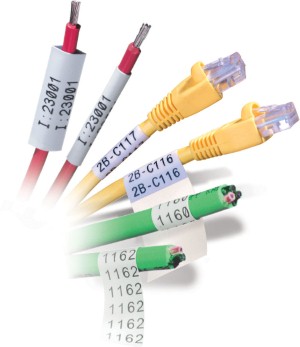
Workflow issues are on their way to becoming a notion of the past thanks to the increased sophistication of cabling systems in use today.
There are obvious advantages to cable upgrades, including the ability to complete tasks quicker due to improved connections, but a new report from Transparency Market Research has taken a look at some of the more advanced ways in which new cables are helping to confine workflow issues to history.
The advantages of structured cabling systems
Structured cabling systems are flexible connections that allow users to link computers, mobile phones and other devices to the web. Thanks to their infrastructure, these cabling set-ups are able to provide smooth, seamless and quick data, video and voice transmissions, enabling tasks to be completed faster than with less sophisticated cabling systems.
These cables are increasingly being embraced by a wide range of organisations, from the government to leading businesses across a variety of sectors.
The main advantage of structured cabling is that it has the ability to reduce downtime significantly, with figures published last year by AppDynamics revealing that the average hourly cost of an infrastructure failure for businesses is $100,000 per hour (£70,024), which can equate to more than $1 billion over the course of a year. Therefore, it is vital that companies have access to a solution that can help to lower this.
But how exactly do structured cabling systems eliminate these workflow issues?
Goodbye workflow issues
Transparency Market Research highlighted four key areas in which structured cabling systems are helping to confine workflow issues to the past.
To begin with, they allow for both greater flexibility and consistency thanks to their ability to simplify a firm's network. Workers can simply plug in any device to a structured cabling system and it's ready to go, preventing time from being wasted and allowing tasks to be completed much more efficiently.
Secondly, the report discussed how structured cabling can be customised to support the increasing needs of a business in terms of equipment and applications. These connections are also able to hold a large bandwidth, meaning they are extremely useful when it comes to supporting new applications. This feature also prevents structured cabling systems from becoming outdated, as they will be able to support any new technological developments in the future that require a large bandwidth.
Next, Transparency Market Research highlighted the affordable and simple nature of structured cabling systems. Each system comes with at least a ten-year warranty covering performance and component faults, is extremely cost-effective to implement and changes can easily be made, making it very easy for firms to begin waving goodbye to workflow issues for good.
Finally, the report discussed the ease of testing and locating faults within a structured cabling system, bringing an end to a significant number of workflow issues as a result.