Posted on
More from News


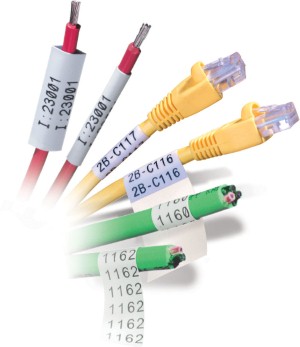
The internet of things (IoT) has generated plenty of discussion among many onlookers and analysts, with many being quick to document the positive impact of connecting all our devices on our everyday lives.
The effect on the home is already clear, with IoT helping to create innovative solutions for a variety of domestic challenges, including security, central heating and even lighting.
However, the home is only one part of what makes IoT so exciting, with businesses now also keeping a close eye on the possibilities opening up from the widespread connection of devices.
Show me the money
There is little doubting that the most important thing to any business is the balance sheet and IoT can have a substantially positive impact in both saving money through asset utilisation, which includes the installation of smart meters that can, in turn, eliminate the need for manual readings.
IoT also opens up a number of new revenue streams through fresh models and services offered using smart devices, machines and products.
For instance, a car insurance company can make use of a connected system to offer pay-as-you-drive premiums, resulting in another product to offer customers.
Data is everything
One of the key trends in the digital age is the increased amount of data being stored by companies on all sorts of areas, covering almost any industry.
The importance of data primarily lies in a company's ability to connect with its audience and customer base, meaning that the creation of new streams of information is always a useful part of making a business more profitable.
Furthermore, because the Internet of Things will create tens of millions of new objects and sensors, devices will generate more real-time data than ever before.
The importance of gathering such information has already been recognised as a key part of expansion.
Nick Jones, research vice president and distinguished analyst at Gartner, said in 2013: "Data is money. Businesses will need Big Data and storage technologies to collect, analyse and store the sheer volume of information."
"Furthermore, to turn data into money, business and IT leaders will need decisions. As they won't have the time or the capacity to make all the decisions themselves, they will need processing power," he added.
"Computers can make sophisticated decisions based on data and knowledge, and they can communicate those decisions in our native language. To succeed at the pace of a digital world, you'll have to allow them to do so."
Such a situation is sure to place greater strain on the systems of many businesses, meaning it has never been more important to have the right infrastructure in place, whether that be in terms of cabling or Ethernet switches as an archaic set-up will leave companies unable to fulfill the potential presented to them by IoT.