Posted on
More from News


The digital age has seen efficiency go from being an environmental buzzword to being a key advantage for many businesses.
Lighting is one of the most important aspects of the workplace and is also an area that has seen plenty of innovation over the years.
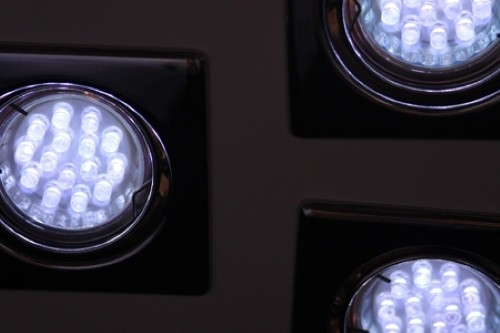
The rise of LED systems has been the latest trend to have captured the attention of many office owners.
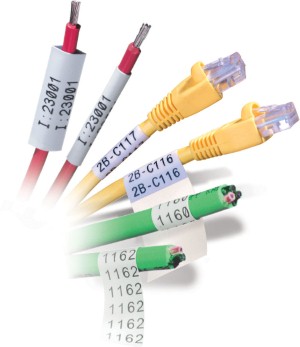
The lower amounts of power required eliminates the reliance on mains power, and can even run on standard network cables, making the process of connection, installation and maintenance, cheaper than ever before.
It's all made possible due to power over Ethernet (PoE); a technology that allows the same cables that form the backbone of an IT network to provide power.
Cat 5, or the more recent Cat 6 cables are primarily designed to carry data, but when a load is below a certain wattage, they can also be used to simultaneously power and communicate with hardware.
Advantages for lighting the office
The benefits for office-based businesses are likely to be significant. Previously, the process of wiring up of a new lighting system was a somewhat arduous and expensive affair.
Not only is the cost of cabling cheaper with a PoE system, it is much easier to install, with there being no need for an electrician.
An estimate from electronics firm Phillips claims the installation of PoE lighting is as much as 25 per cent cheaper than conventional wiring.
But savings are not just made in the initial installation, with long-term savings to be had in the running of such a system.
Every light within a PoE setup is akin to a point on a network, complete with its own IP address, making the control and monitoring of light fittings, much easier. Sensors for presence, temperature and light can also be incorporated, offering more detailed data than ever before.
Given that many businesses now find themselves taking a greater interest in the Internet of Things (IoT), the use of PoE is destined to help ensure better integration of lighting with other systems.
When combined together, it enables businesses to gain a better grasp as to what is happening within their workplace.
Jeff Cassis, senior VP of global lighting solutions at Philips Lighting, told Lux Review: "You can extract whatever data you want, whenever you want. Not only can you monitor energy consumption per light source, you have this really granular ability to look at what’s happening on my floor or building, aggregate that and understand how people are using the spaces. If you have multiple sites or buildings, you can look at how different buildings are managed. You could see how to use certain areas better, cool areas down that aren’t being used and make extra savings due to occupancy."