
Posted on
More from News


Businesses with busy data centres are always looking for new ways to make their operations more efficient, cheaper to run and ready to accommodate new innovations as and when they emerge.
One of the key methods of accomplishing this is network convergence, a network management approach that allows enterprise data centres to consolidate multiple services over a shared infrastructure. This methodology is quickly gaining traction due to the considerable operational benefits and efficiency gains it can provide.
However, companies that are keen to unlock the potential of network convergence will need to take steps to make sure their infrastructure is designed in the right way - which means selecting the right equipment and cabling for the job.
Why pursue network convergence?
Network convergence allows companies to operate integrated pools of virtualised computing, storage and networking resources shared across several applications, providing them with a holistic overview and control over their physical network infrastructure.
Not only does this provide considerable efficiency benefits from both a technical and business perspective, but it also means that networks will be more ready to accommodate emerging technologies such as the Internet of Things, digital infrastructure management, smart city technology, artificial intelligence and virtual reality.
Designing the right infrastructure
However, achieving these benefits does require companies to invest time and resources into making sure their infrastructure is able to cope as bandwidth requirements exceed one gigabit per second.
This means that data centres will need to adopt technology that offers the largest possible port density in the smallest possible space, in order to keep pace with the increasing data demands this will create. Since this kind of infrastructure requires more energy, produces more heat and involves the use of heavier racks, companies will need to plan around these requirements accordingly.
Tobias Munzer, market manager for public networks at R&M, told the Data Center Journal that consolidating POP servers in a single rack unit may be an ideal way to accomplish this, as this leaves more space for switches and routers, while also allowing software-defined network architectures to be planned more sensibly.
Choosing the right cables
An effective network convergence approach will also rely on the use of the best cables for the job, with thinner modern cabling saving on materials and resources while also improving air circulation.
Mr Munzer recommended that companies opt for cables with a very high fibre count that are easy to terminate and handle, as bad cable management can result in inter-symbol interference, damage and failure, which in turn will cause errors, performance issues and downtime.
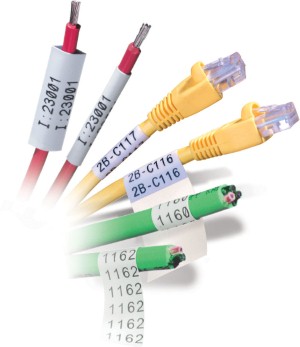
He said: "We recommend double-checking measurements and the quality of terminations, testing wherever necessary, labelling and colour-coding, avoiding tight conduits and ensuring no cables or bundles resting upon others."
By taking these steps as part of a well-planned workflow, it should be possible for data centres to enhance the quality, reliability and flexibility of their networks, positioning them ideally for future growth.