
Posted on
More from News


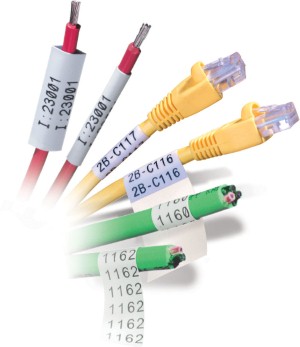
The global market for Ethernet cabling is set to experience strong growth over the coming years, with this sector set to be worth more than $1 billion (£802 million) by 2022.
This is according to a new forecast from Allied Market Research, which stated this will equate to a compound annual growth rate (CAGR) of 14.3 per cent between 2014 and 2022. It also noted that while the Asia-Pacific region will lead the way in the sector - accounting for 35 per cent of revenue - Europe is not far behind.
Demand for high-speed internet and a growth in data centre installation activities, particularly in the industrial sector, have fuelled growth in the sector, the research noted. The reliability of the technology and an increased dependence on automation in many key market sectors have also helped support this growth.
In 2015, copper cables led the way for the market, accounting for more than 50 per cent of the overall Ethernet sector. This was attributed mainly to their combination of high speeds and low cost, which makes them attractive options for deployments in industrial applications.
However, its is fibre-optic cables that are set to drive the market moving forward. While the market for copper cables is set to increase at a CAGR of 14.3 per cent across the forecast period, fibre cable revenue is set to grow at a CAGR of 20.5 per cent across the same timeframe.
"This is due to increase in installation of fibre-optic cables for long distance applications as many renowned companies are launching advanced technology fibre-optic Ethernet cables," Allied Market Research stated.
Other sectors of the economy that are expected to see significant increases in demand for Ethernet technology include media and telecommunications, especially broadcast applications. Rise in demand for these activities around the world will make this one of the fastest-growing segments of the market.
An increase in Power over Ethernet deployments will also contribute to greater demand for the technology in industrial deployments.
Potential barriers to further market growth for Ethernet technology, however, include the high initial cost of installation, as well as limits to availability.
Geographically, the Asia-Pacific will continue to lead the way, buoyed by an increase in demand for internet connectivity as a result of rising population and greater industrial activity.
Elsewhere, a high number of oil and gas industries in locations such as the Middle East will be expected to turn to Ethernet cables for various applications, which is also expected to support the growth of the market