Posted on
More from News


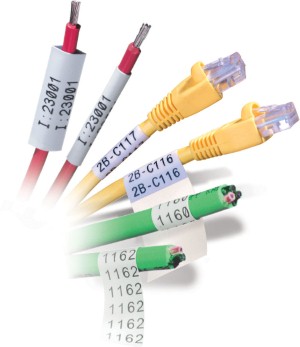
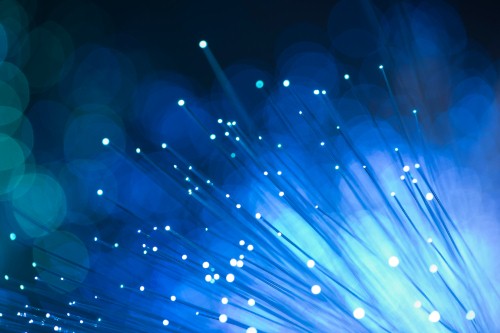
When network admins are looking to create a network or improve their data centre, a key question will be what cabling solutions they opt for. These days, one major choice is whether to stick with tried-and-tested copper solutions or opt for newer fibre optic alternatives.
Some professionals may be disinclined towards fibre solutions because of their high cost compared with copper technology. But do the upfront installation expenses really tell the whole story?
In fact, the way the tech world is moving today means that sooner or later, almost every business will need to become reliant on fibre optic cabling in order to cope with demands for higher bandwidth and greater volumes of data.
It was recently noted by Information Age that while the tech world is evolving rapidly, with many telecoms technologies jumping from one generation to the next in a matter of months, there are a few underlying technologies that have much greater permanency and will be around for years, if not decades, to come.
Fibre optic infrastructure is very much one of these, and this long lifecycle can be a huge factor that makes up for its significant installation costs.
"Essentially, fibre optic cabling future-proofs your infrastructure," Information Age contributor Nick Ismail wrote. "A good example of this is how Ethernet has been increasing in speeds from 100Mbps to 1Gbps to 40Gbps to 100Gbps, all over the same type of single mode fibre optic cable."
One of the reasons why this technology has such a long life span is that optical fibre - including both the strands themselves and the protective sheath - is highly durable, meaning it can last decades if correctly installed and protected from the environment. For example, Mr Ismail noted that the Atlantis-2 transatlantic telecommunications optical cable that connects countries in Europe, Africa and South America was installed in 2000 and is still in use today.
What's more, he observed that the main advances in future fibre optic communications are not so much in the cables themselves, but the equipment that is placed at either end. This means that as companies seek to upgrade their systems in the coming years to cope with drastically increased data volumes, they will not have to rip up and replace entire cables. Instead, simply upgrading the equipment at either end is both cheaper and quicker than recabling.
The increasing pace of evolution in the telecoms sector will also require businesses to upgrade sooner rather than later. Mr Ismail noted that the previous deployment of copper cables was a very gradual process, as demand increased progressively over the course of many years. But today's communications needs are much greater and will require investment in fibre from both telecoms operators and data centre managers.
The recent announcement of £1 billion in investment for the deployment of faster fibre networks and 5G wireless will be welcome news for businesses struggling under greater data demands, and should give IT pros the infrastructure they need to keep their firm running well for years to come.