Posted on
More from News


The nature of the digital age means that an increasing number of companies need to prepare themselves for potentially substantial changes in the landscape and the subsequent technological advances that come with it.
Before implementing an IT infrastructure, organisations will often need to assess the current levels of usage, as well as any growth likely to occur in the future.
Adding more servers can prove prohibitive, so it is instead a wiser option to ensure that your system has the flexibility needed to cope with any increased level of demand.
It can often be very tricky for organisations to decipher just how many users their server can handle at any given time, mainly due to the fact that there are a number of variables at work.
Power up
The easiest way of expanding your server capacity is to install memory. However, in order to implement such a strategy, you will first need to ensure your infrastructure is up to the task.
Many IT environments have grown increasingly complicated over the course of recent years, with server cabinets having to expand in order to cater to the demand of data centres of all sizes.
There is also a need for a reliable power distribution solution. Comtec has a wide range of options available - ideal for reducing the likelihood of any potential issues with managing the power of your server.
Power distribution units (PDU's) are an essential parts of the process of delegating power to various parts of your system.
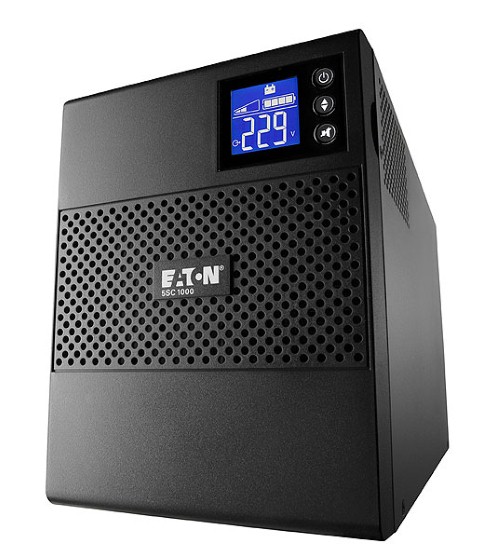
In terms of power itself, there is a need to ensure reliability and continuity. Comtec has various uninterruptible power supplies (UPS) that provide emergency power to a load when the input power source, typically mains power, fails.
Certain models even feature modular, redundant architecture that can allow users to scale power and run-time in order to meet growing levels of demand. The feature of integrated network manageability means users can also benefit from real time status updates of UPS health and environmental conditions.
Refreshing technology
One of the main questions that has haunted many IT pros for a number of years is how long it takes for hardware to become outdated.
The issue has been made all the more complicated by the fact that both virtualisation and server hardware upgrades have been found to extend server life, while clustering technologies have helped to make up for the increased risk of server hardware failure.
It means that administrators now have another option when thinking of ways in which to extend the life of a server. However, many IT pros still have to make hard decisions about whether to update their systems.
One of the first such decisions is to figure out when new hardware is actually needed and whether an upgrade will actually solve any problems.
As a result, many key decision makers within the world of IT find themselves having an internal debate with themselves over whether it's best to upgrade server hardware or simply refresh some of the technology in the infrastructure.
One key driver in such decisions is the fact that not all server systems are upgradable and even if they are, they do not always fix poor-performing hardware.
Such considerations are often coupled with the additional consideration that the implementation of new technology often brings new opportunities. These can come in the form of differing workloads and a greater capability to deal with traffic.
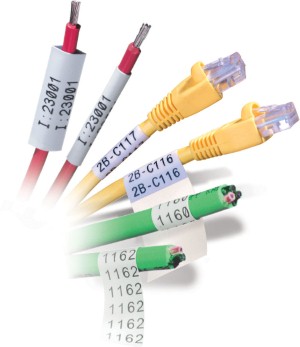
However, whatever approach your company decides to take, it is always important to ensure that you have a cabling solution that allows for easy and effective implementation.