Posted on
More from News


Telecoms engineers will know there are many factors that can affect the quality of a broadband connection, and sometimes the cause of a fault can be hard to place your finger on.
Even so, the culprit behind one village's continuing outages proved elusive for 18 months before a team of Openreach's most skilled engineers were able to track down the cause, which turned out to be a resident's second-hand TV.
The telecoms provider explained how residents of the small Welsh village of Aberhosan, near Machynlleth, had complained for months about a peculiar fault that resulted in the community suffering from poor connectivity and slow speeds every morning at 7am.
Repeated visits from engineers confirmed there were no issues with the network, and even replaced large sections of cable in an effort to track down the problem - all to no avail.
Local Openreach engineer Michael Jones explained the failure to solve the issue had left the team in the area feeling "frustrated and downbeat", but no less determined to crack the case.
They therefore called on the company's Chief Engineer team - Openreach's most skilled and experienced engineers - for assistance.
Having ruled out almost every other possible cause, this team embarked on a final test to see if the problem could be explained by a phenomenon called Single High-level Impulse Noise, or SHINE, which can result in electrical interference from an appliance impacting on broadband connectivity.
Mr Jones said: "By using a device called a Spectrum Analyser we walked up and down the village in the torrential rain at 6am to see if we could find an 'electrical noise' to support our theory. And at 7am, like clockwork, it happened. Our device picked up a large burst of electrical interference in the village."
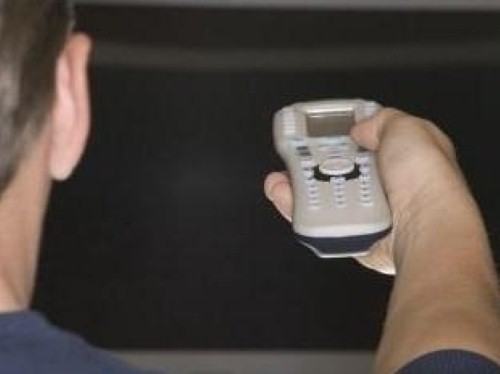
Upon further investigation, the source of the interference was traced back to a local resident using an old second-hand television set. Every morning they switched it on at 7am, and immediately the village's broadband went down.
The unnamed resident was said to be "mortified" to learn their TV was the source of the community's broadband issues and immediately agreed to stop using it. There have been no reported problems with broadband performance in Aberhosan since.
The tale highlights some of the many challenges facing broadband engineers when it comes to delivering a quality connection, and the sometimes unexpected causes that mean it's important for telecoms professionals to think outside the box.
Openreach Chief Engineer's lead for Wales Suzanne Rutherford said the team were "delighted" to solve the mystery in the village, which she added is a testament to the engineers' determination and commitment.
The task was made even harder by the fact they were working in a remote area in the middle of the Covid-19 pandemic, which meant the Chief Engineer team, who come from other parts of the UK, could not find accommodation close to the village.
In the end, they found a guest house with a field near Llandrindod Wells, 55 miles away, where they could camp overnight and make the journey to Aberhosan in the early morning.
Ms Rutherford also noted the situation in the village is not actually as rare as many people may think. She said: "Anything with electric components - from outdoor lights to microwaves to CCTV cameras - can potentially have an impact on your broadband connection.
"We'd just advise the public to make sure that their electric appliances are properly certified and meet current British Standards and if you have a fault, report it to your service provider in the first instance so that we can investigate."